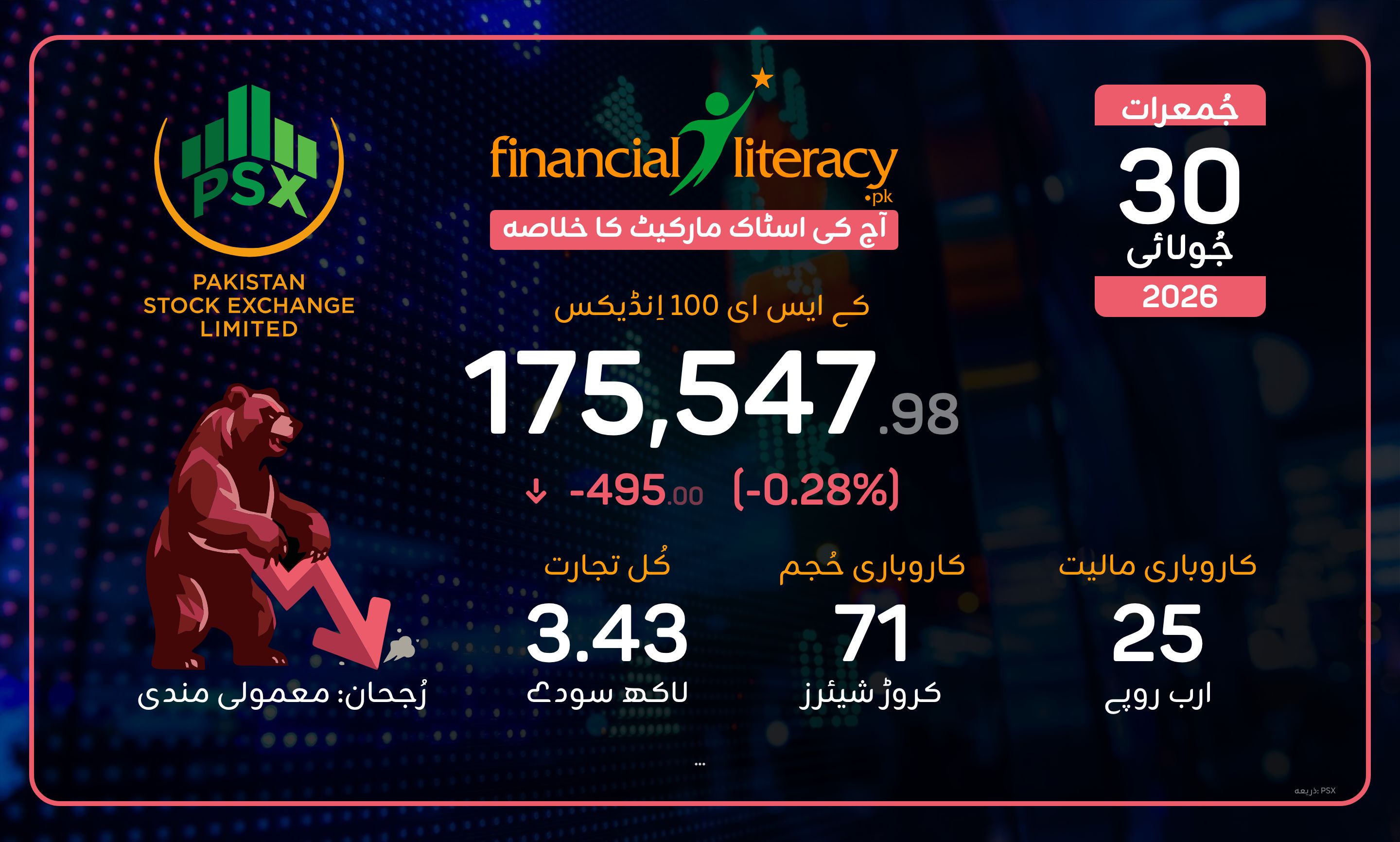
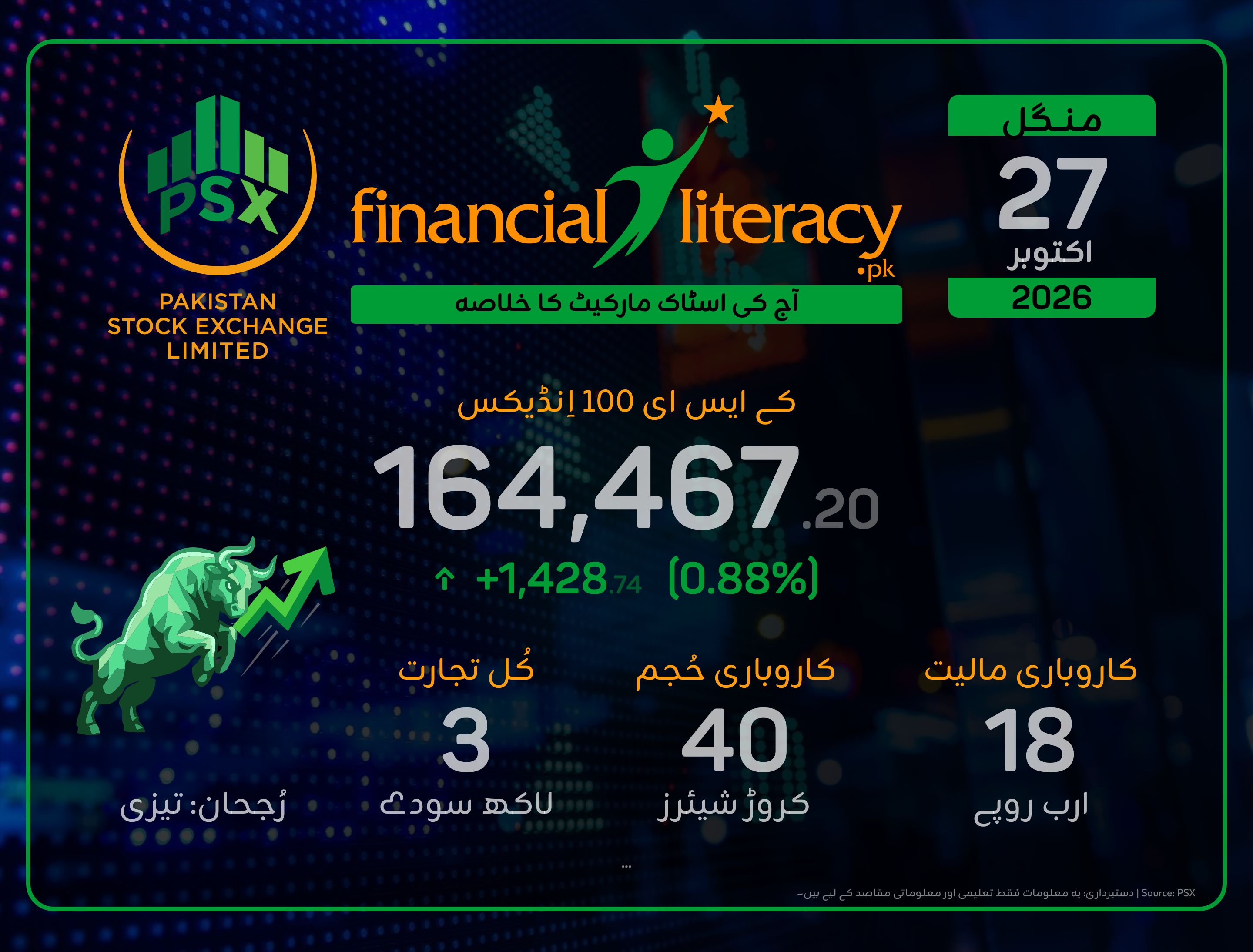
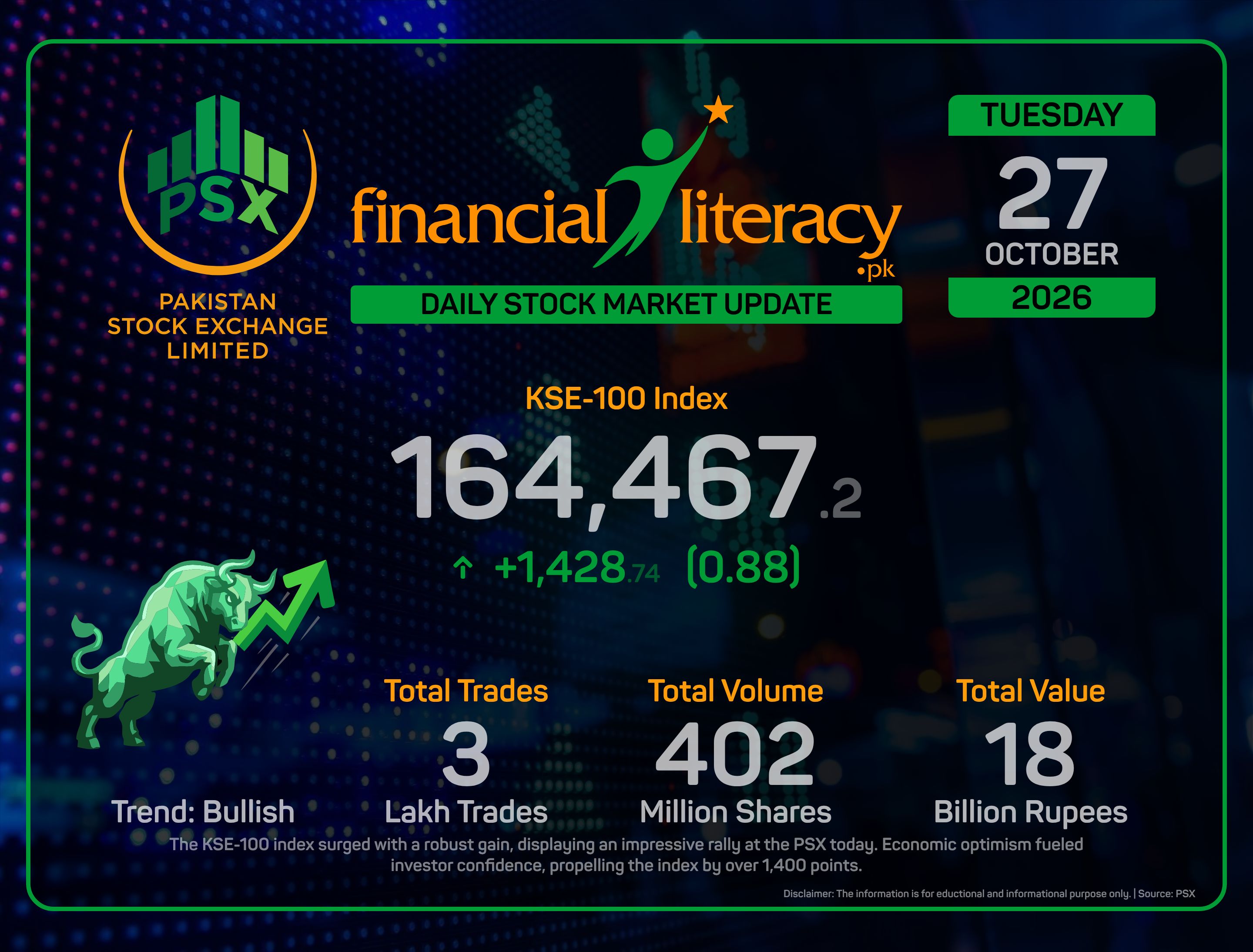

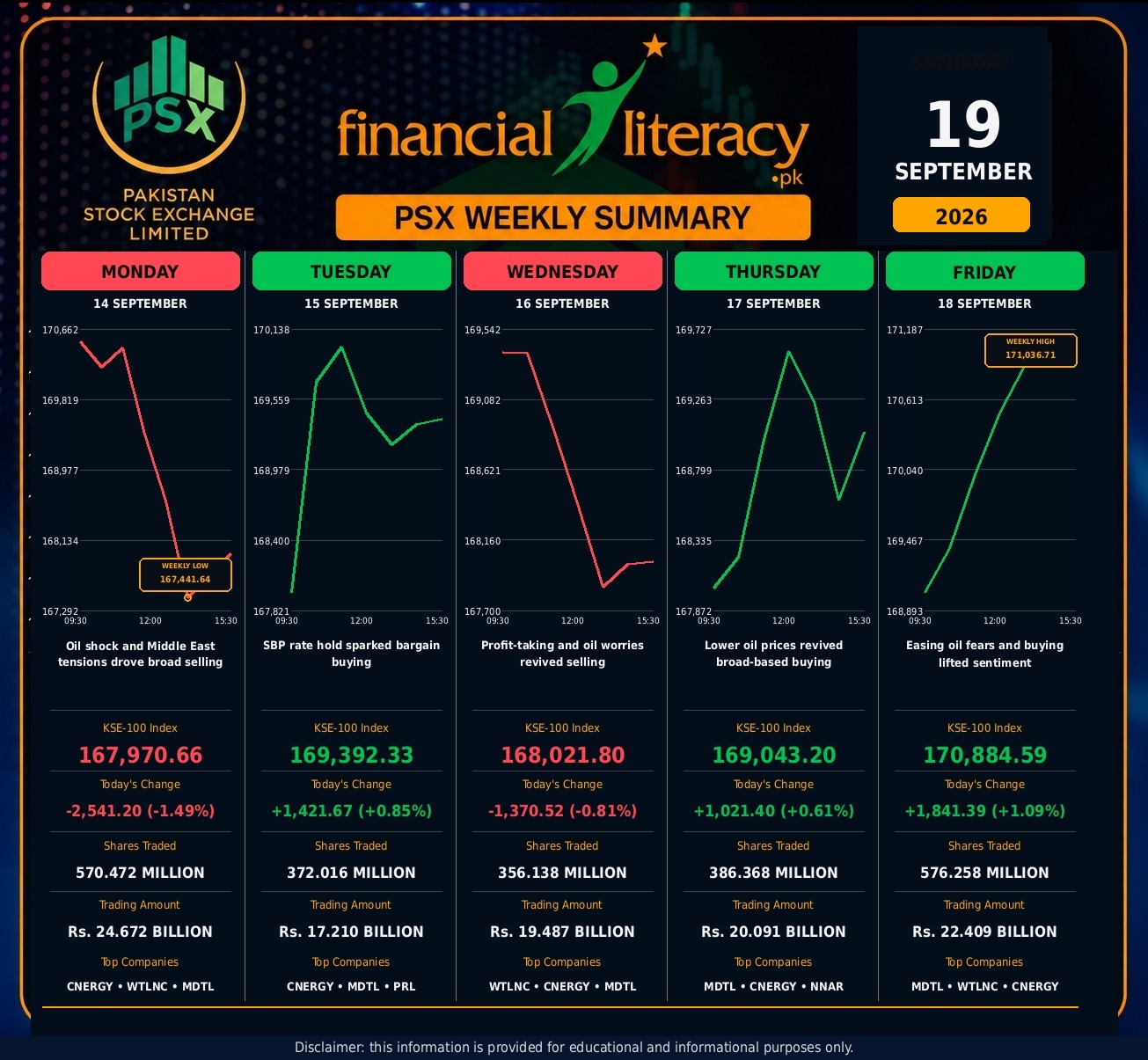
The KSE-100 opened the week on Monday, 14 September, and immediately fell out of bed. Houthi strikes on Saudi Arabia and Iranian attacks on shipping in the Gulf rattled investors right from the open. The index initially clawed back some ground, touching an intraday high of 170,437 — but it couldn’t hold. Selling picked up steam after 2pm, and the index tumbled to a low of 167,441 before a small late-session bounce. It closed at 167,970.66, down 2,541 points, or 1.49%. That’s a rough way to start a week.
Tuesday told a different story. The State Bank of Pakistan had kept its policy rate unchanged at 11.5% the day before, and that gave investors something to feel good about. Add in a fresh $3 billion Eurobond issuance and foreign exchange reserves hitting an all-time high of $21.4 billion, and buyers came back in force. The index gained 1,422 points, or 0.85%, closing at 169,392.32. Automobile assemblers, cement, banks, oil and gas — buying was everywhere.
Then Wednesday undid a chunk of that. Oil prices stayed elevated, regional tensions hadn’t gone anywhere, and a fresh current account deficit of $98 million for August didn’t help sentiment either. The index slid 1,371 points, or 0.81%, closing at 168,021.80. It’s the kind of session where the market just can’t decide what it wants to be.
Thursday brought relief. Oil prices eased, and there was growing talk of a possible thaw between the US and Iran. That was enough to get buyers moving again. The index climbed 1,021 points, or 0.61%, to close at 169,043.20.
And then came Friday — the big one. Oil kept sliding, and optimism grew around renewed US-Iran diplomatic engagement, plus reports that Saudi Arabia was working to fix its damaged East-West pipeline. Investors piled back in. The index surged 1,841 points, or 1.09%, to end the week at 170,884.58 — its best single session of the week by far. Fauji Fertiliser, United Bank, Meezan Bank, Lucky Cement, and Habib Bank did most of the heavy lifting, together adding over 800 points to the index. Trading volume that day hit 576 million shares, worth Rs. 22.41 billion.
Zoom out and look at the whole week: the index started at 170,511.86 and ended at 170,884.58. That’s a gain of just 372.72 points, or 0.22%. Barely anything, really. But between Monday’s low of 167,441 and Friday’s high of 171,036, the index swung more than 3,590 points — over 2% of its total value — in five trading days. That’s the real story here. It wasn’t a calm week that happened to end flat. It was a volatile one that happened to land close to where it started.
What’s driving all this back-and-forth? Mostly geopolitics and oil. Every time tensions in the Middle East flared up, oil prices jumped and the market sold off. Every time there was a hint of de-escalation or falling oil prices, buyers rushed back in. Add in some real domestic news — the SBP’s rate decision, the Eurobond, the current account numbers — and you get a market that’s reacting to headlines almost day by day.
If there’s a takeaway for anyone watching PSX right now, it’s this: don’t read too much into any single day. This market is jumpy, and it’s likely to stay that way as long as the geopolitical backdrop keeps shifting. The weekly close might look calm. The week itself wasn’t.
This is a sensitive-adjacent financial topic in the sense that market moves can affect real savings and decisions — if you’re considering acting on any of this, it’s worth checking current PSX data yourself before making a call, since markets move fast and this snapshot is already a day old by the time you’re reading it.