
Hina loves good food, but she doesn’t know the first thing about cooking.
She could buy groceries herself, chop everything, guess at the spices, and hope for the best. Chances are, it wouldn’t taste great. She doesn’t have the time to learn, either, between work and everything else going on.
So instead, she and a group of neighbors do something simpler. They each put in a little money every month, and together they hire a skilled chef. The chef buys the ingredients, decides the menu, cooks the meals, and everyone gets a fair share of whatever comes out of the kitchen, based on how much they contributed.
Nobody has to know how to cook. They just have to trust the chef to make good decisions with the shared money.
A mutual fund works the same way, except the chef is a fund manager, and the ingredients are shares, bonds, and other investments.
So what exactly is a mutual fund?
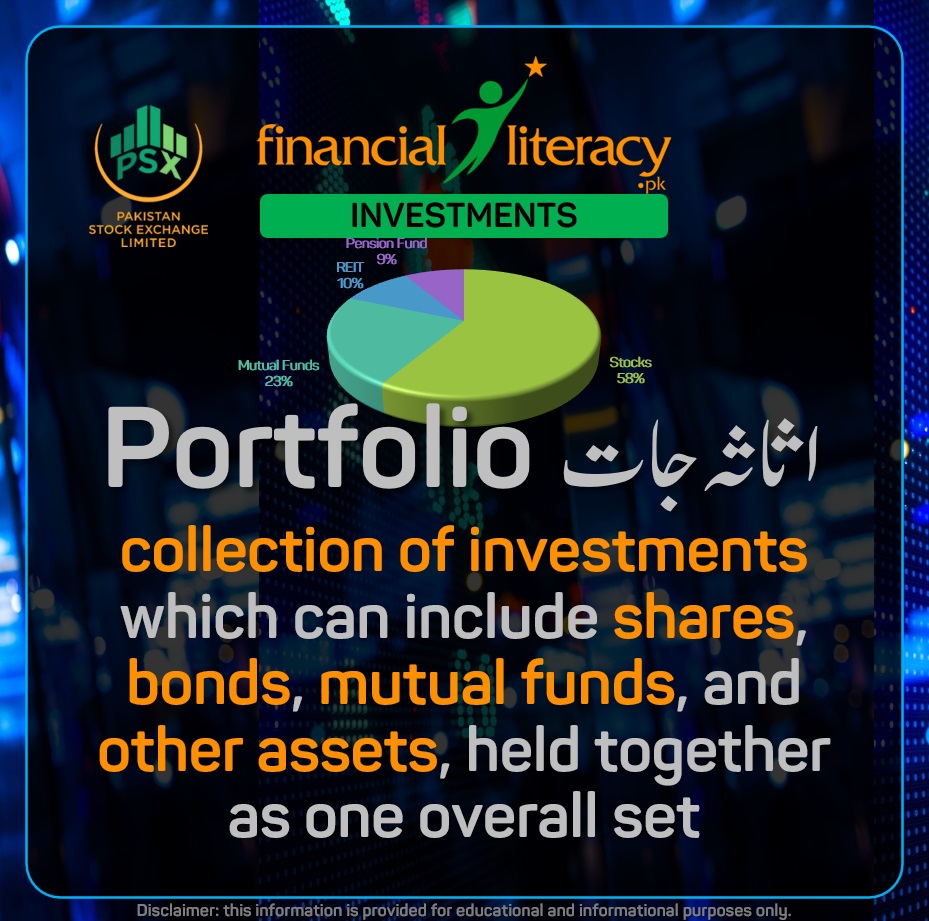
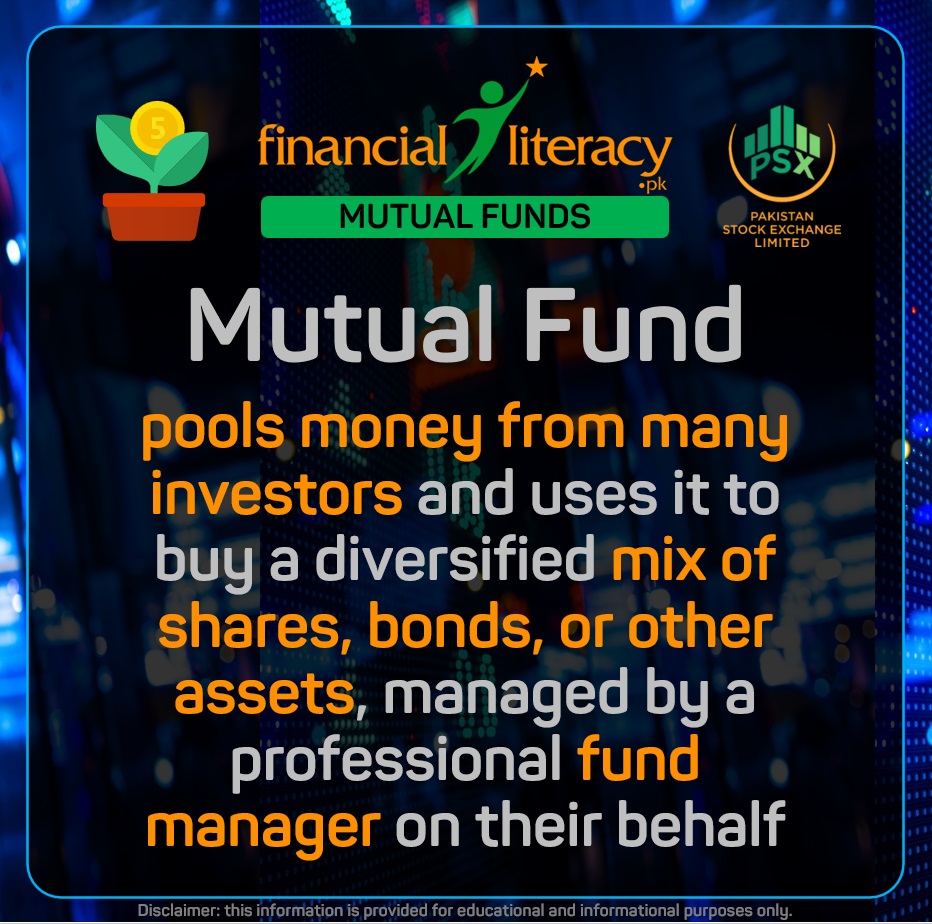
A mutual fund collects money from many different investors and pools it together into one large fund. A professional, the fund manager, then decides how to invest that pooled money, usually across a wide mix of shares, bonds, or other assets, depending on the fund’s stated goal.
When you invest in a mutual fund, you’re not buying individual shares directly. Instead, you’re buying units of the fund itself. As the fund’s underlying investments grow or shrink in value, the value of your units moves along with them.
In Pakistan, mutual funds are regulated by the SECP, and they’re run by licensed asset management companies.
Why would someone choose a mutual fund over picking shares themselves?
A few solid reasons.
It brings in expertise. Fund managers research companies, track markets, and make decisions full-time. Most individual investors don’t have the time or background to do that properly.
It offers built-in diversification. Remember Rukhsana and her three fields? A single mutual fund might hold shares in dozens of different companies across many sectors, something that would be expensive and complicated to build on your own, especially with a small amount of money.
It’s also more accessible. You can start investing in many mutual funds with a relatively small amount, far less than you’d need to build a well-diversified share portfolio by buying individual shares one at a time.
What are the different types of mutual funds?
There are several, each with a different focus. Equity funds mainly invest in shares, aiming for higher growth, but with higher risk. Income or bond funds invest mainly in bonds and fixed-income instruments, aiming for steadier, more predictable returns. Money market funds invest in very short-term, low-risk instruments, prioritizing safety over growth. Islamic or Shariah-compliant funds invest only in companies and instruments that meet Islamic finance principles, similar in spirit to the KMI-30 index we mentioned earlier.
Choosing between them usually comes down to your own goals, how much risk you’re comfortable with, and how long you plan to stay invested.
What should you keep in mind?
Mutual funds aren’t free to manage. Fund managers charge a fee, often called the management fee or expense ratio, for running the fund. This is usually a small percentage of your investment, taken regardless of whether the fund gains or loses value that year, so it’s worth checking before investing.
They also aren’t risk-free. A mutual fund’s value can fall, just like individual shares, depending on how its underlying investments perform. Diversification reduces risk, as we covered earlier, but it doesn’t remove it entirely.
And past performance, something every fund likes to show off, doesn’t guarantee future results. A fund that did well last year isn’t promised to repeat that this year.
A quick example
Suppose you invest 50,000 rupees into an equity mutual fund. That money joins a much larger pool, maybe billions of rupees, collected from thousands of other investors.
The fund manager uses this pooled money to buy shares in, say, 40 different companies across various sectors, banking, cement, textiles, and more, far more than you’d likely manage on your own with 50,000 rupees.
Over the year, some of those companies do well, others don’t, but the overall mix grows by 12%. Your 50,000 rupees, minus the small management fee charged along the way, grows roughly in line with that, to around 55,500 rupees or so, after fees.
You never had to pick a single company yourself, or track quarterly results, or worry about any one business failing and taking your whole investment down with it. The fund manager handled that, spreading your money across dozens of businesses instead.
The takeaway
A mutual fund lets you invest in a diversified mix of shares or bonds without having to pick them yourself, by pooling your money with other investors and handing the decisions to a professional manager. It comes with fees and no guarantee of profit, but for many investors, especially those just starting out or short on time, it’s a practical way to get into the market without having to become an expert first.