
Rukhsana, the farmer with the three fields, has a cousin named Nadia who moved to the city and started investing instead of farming.
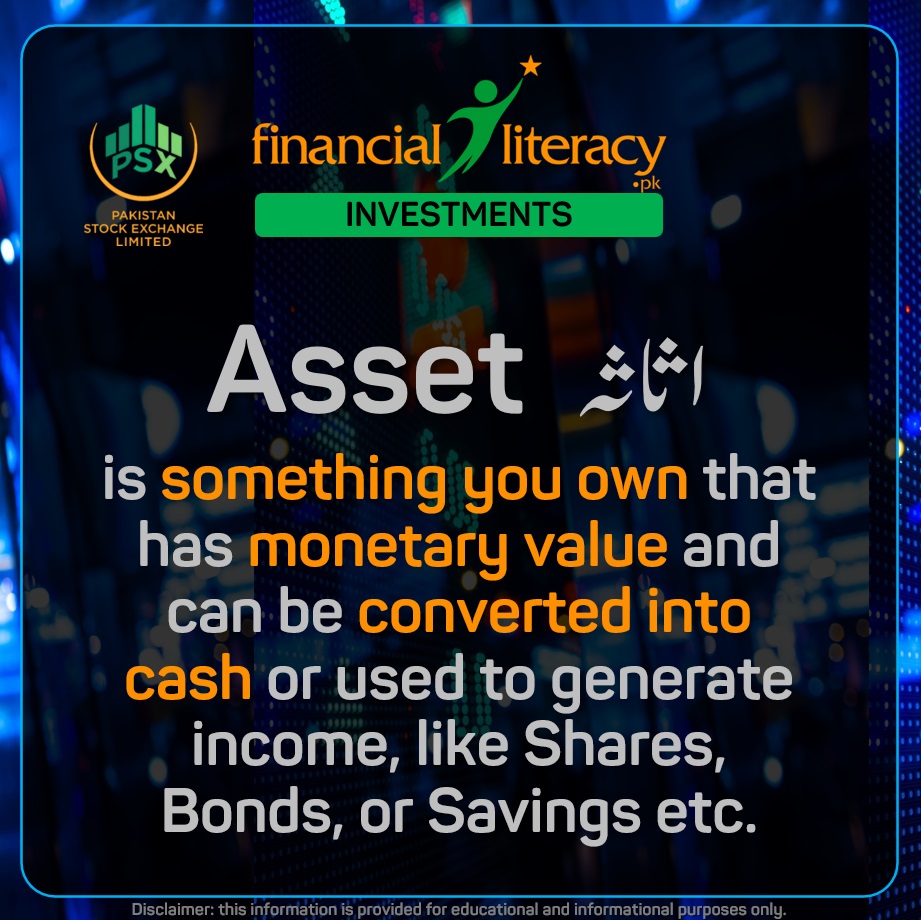
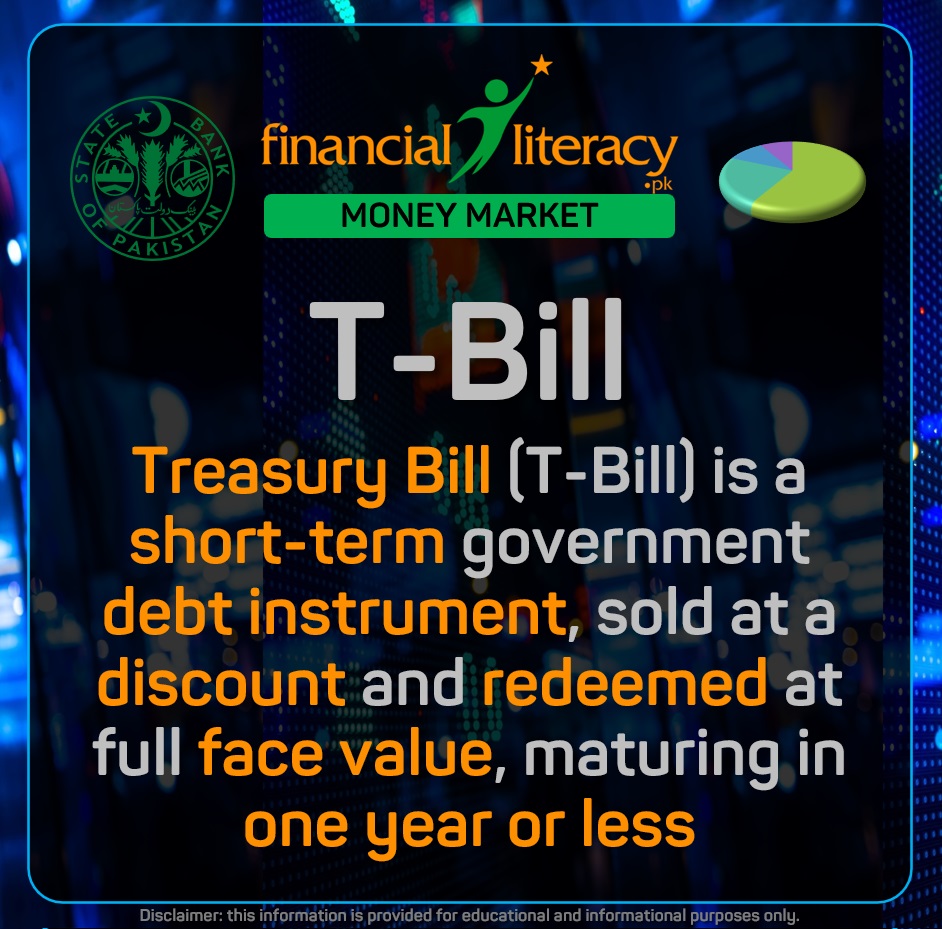
Over a few years, Nadia ends up with a bit of everything. Some shares in a bank. A few units in a mutual fund. Some shares in Sunrise Bakery, bought after reading about it. A small amount sitting in a savings account for emergencies, and more recently, some bonds she picked up for steadier returns.
Individually, each of these is just one investment. But Nadia doesn’t think about them one at a time anymore. She thinks about how they all add up together, how much they’re worth as a whole, and how they balance each other out.
That whole collection, everything she owns put together, is her portfolio.
So what exactly is a portfolio?
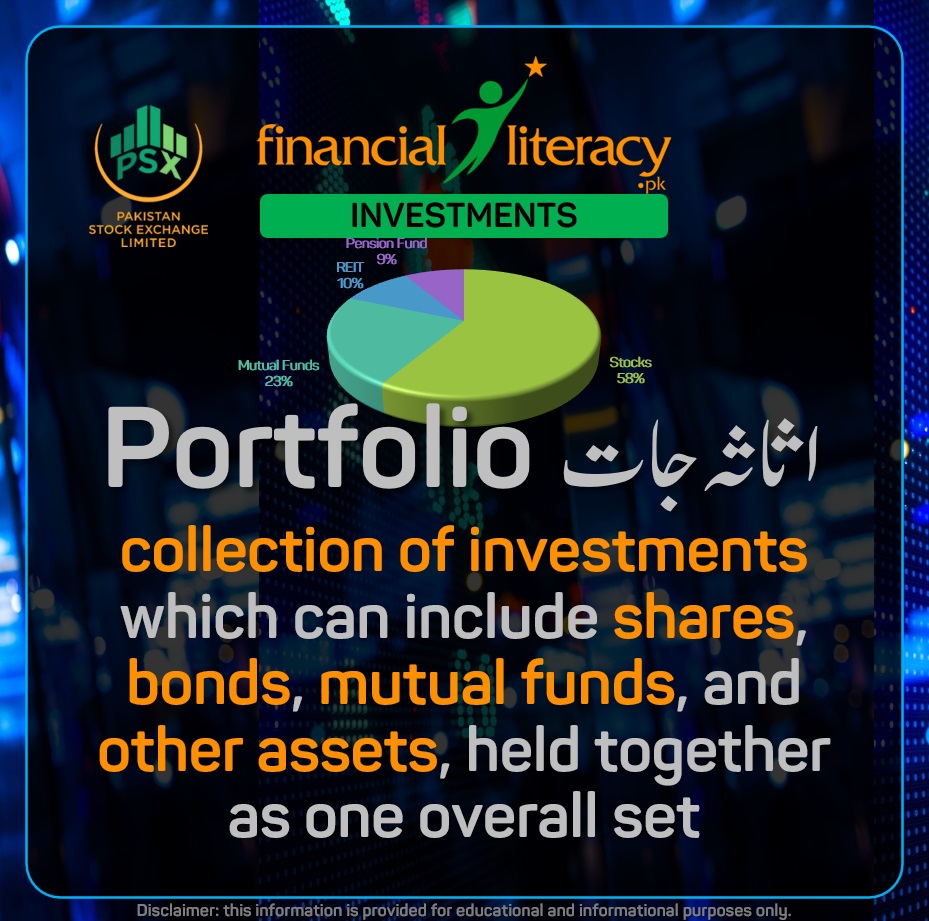
A portfolio is simply the full set of investments someone holds, viewed as one combined group rather than as separate, unrelated pieces. It’s not a place or a product you buy. It’s a way of describing everything you own, added up.
Your portfolio might be small, just a few shares in one company. Or it might be large and varied, spread across shares, bonds, mutual funds, savings, and more. Either way, the term refers to the whole collection, not any single part of it.
How does this connect to diversification?
Remember Rukhsana’s three fields? A portfolio is really the investing version of that whole farm, not just one crop. When people talk about diversifying, what they’re really doing is shaping their portfolio, deciding how much to put into shares, how much into bonds, how much into mutual funds, and across which sectors or companies, so that the whole collection isn’t overly dependent on any one outcome.
This mix is sometimes called asset allocation, which is really just a fancier way of saying “how your portfolio is divided up.” A portfolio built mostly from shares will usually behave very differently from one built mostly from bonds and savings, in terms of both potential growth and potential risk.
Why think in terms of a portfolio instead of individual investments?
Because that’s how your actual financial outcome gets decided. You might have one brilliant investment and one terrible one. Looking at either alone tells you only part of the story. What actually matters is how they net out together, as a whole.
It also helps with decision-making. Before buying a new share or fund, a useful question isn’t just “is this a good investment?” but “does this fit well with what I already hold?” Adding another textile company to a portfolio already full of textile companies, for instance, doesn’t add much protection, even if that one company looks solid on its own.
How do portfolios differ between people?
No two portfolios need to look alike, and that’s normal. A young investor with years ahead of them might build a portfolio weighted more heavily toward shares, accepting more short-term ups and downs in exchange for potentially higher long-term growth. Someone closer to retirement might lean more toward bonds and safer assets, prioritizing stability over growth.
Goals matter too. A portfolio built for a short-term goal, like a wedding in two years, usually looks more cautious than one built for a long-term goal, like retirement in twenty-five years.
There’s no single “correct” portfolio. The right mix depends on the person’s goals, timeline, and comfort with risk.
A quick example
Suppose Nadia’s portfolio, after a few years of investing, looks like this. 400,000 rupees in shares across five different companies. 200,000 rupees in a mutual fund. 150,000 rupees in bonds. And 250,000 rupees sitting in a savings account as her emergency fund.
Her total portfolio is worth 1,000,000 rupees.
Now suppose that in a given year, her shares gain 15%, her mutual fund gains 10%, her bonds earn a steady 8%, and her savings account earns 5% interest, since it is mostly there for safety, not growth.
Looking only at her best-performing piece, the shares, would paint an overly rosy picture. Looking only at her savings account would paint an overly cautious one. Her actual result is the blended outcome of all four pieces together, which comes out somewhere in between, reflecting her whole portfolio rather than any single part of it.
The takeaway
A portfolio is the full picture of everything an investor owns, not any one investment on its own. Thinking in terms of a portfolio, rather than chasing individual winners, helps investors see the bigger picture, balance risk and reward, and make decisions based on how new investments fit into what they already hold.