
Imran, the cousin who helps Sara buy mangoes, needs money of his own one day. He wants to buy a second delivery bike for his growing fruit business, but he’s short on cash.
He turns to his friend Daniyal. “Lend me 50,000 rupees,” he says. “I’ll pay it back in exactly one year, and for your trouble, I’ll also give you 5,000 rupees in interest along the way.”
Daniyal agrees. He hands over the money, and in return, Imran gives him a written promise: the loan amount, the interest rate, and the exact date he’ll get his money back.
Daniyal isn’t a part-owner of Imran’s fruit business. He doesn’t get a say in which mangoes to buy, and he doesn’t benefit if the business suddenly booms. He’s simply owed money, plus interest, on a fixed schedule.
That arrangement, a loan with a promise to repay plus interest, is exactly what a bond is. Just usually issued by companies or governments instead of a fruit seller.
So what exactly is a bond?
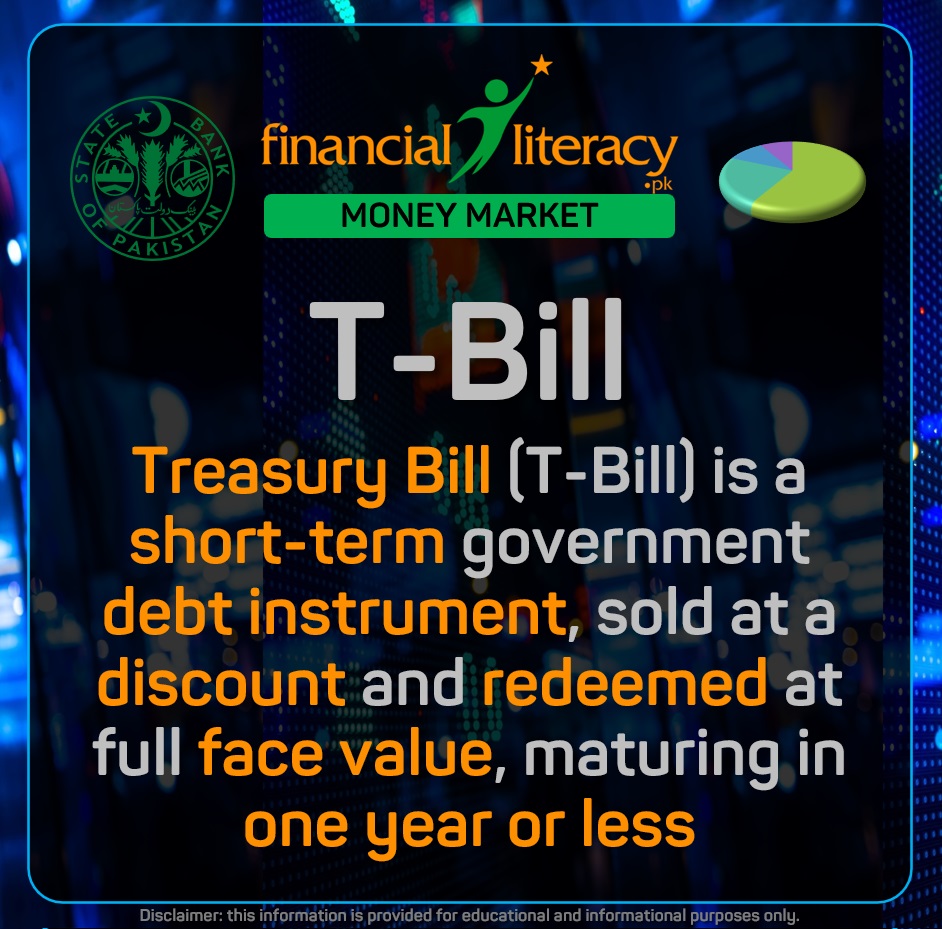
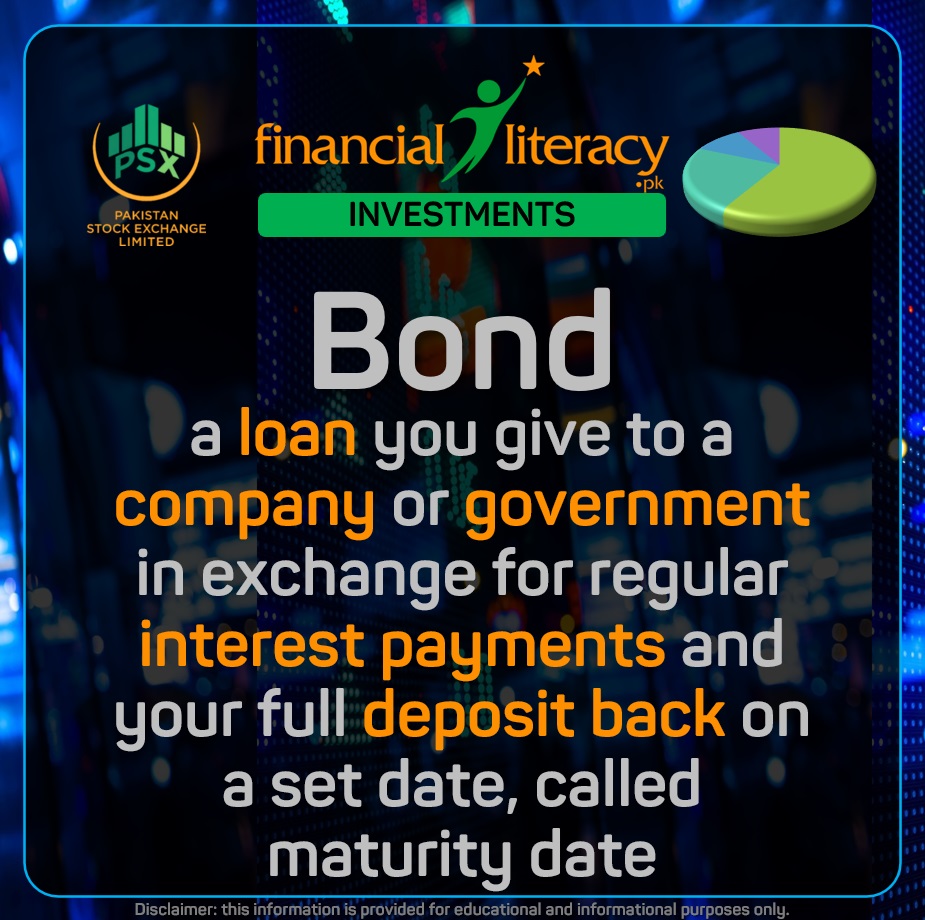
A bond is essentially an IOU. When a company or government needs to raise money, instead of selling ownership through shares, it can borrow directly from investors by issuing bonds. In return, the issuer promises two things: regular interest payments, usually called coupon payments, and the return of the original amount, called the face value or principal, on a specific future date, called the maturity date.
If you buy a bond, you’re not buying a piece of the company. You’re lending it money. The company still owes you that amount, regardless of whether its profits that year were huge or disappointing.
How is a bond different from a share?
This is the key distinction, and it’s worth sitting with.
When you buy a share, you become a part-owner. Your return depends on how the company performs, through price changes and dividends, but nothing is promised. If the company does badly, your shares can lose significant value, and if it goes under, shareholders are often among the last to get anything back.
When you buy a bond, you become a lender, not an owner. You’re generally promised a fixed interest rate and the return of your principal at maturity, regardless of how well or poorly the company’s underlying business does in a given year. If the company runs into serious trouble, like bankruptcy, bondholders are typically paid back before shareholders, though still not guaranteed in full.
In short, shares offer higher potential reward with higher risk. Bonds generally offer more predictable, steadier returns with comparatively lower risk, though not zero risk.
Who issues bonds?
Mainly two types of borrowers. Governments issue bonds, often called government securities or treasury bonds, to fund public spending. These are generally considered among the safest bonds available, since they’re backed by the government’s ability to collect taxes and manage its finances. Companies also issue bonds, often called corporate bonds, to raise money for expansion, operations, or refinancing existing debt. These usually offer higher interest rates than government bonds, to compensate investors for the extra risk of lending to a business instead of a government.
What risks do bonds carry?
Even though bonds are steadier than shares, they’re not risk-free.
There’s credit risk, the chance that the borrower can’t pay back the interest or principal as promised. A struggling company is a riskier bond issuer than a stable government.
There’s also interest rate risk. Bond prices in the market can move based on prevailing interest rates. If new bonds start offering higher rates than yours, your existing bond becomes relatively less attractive, and its market value can dip if you try to sell it before maturity.
And there’s inflation risk, something we’ve already covered. If inflation rises faster than your bond’s fixed interest rate, the real value of what you eventually get back can shrink.
A quick example
Suppose you buy a corporate bond from a company for 100,000 rupees, with a 10% annual interest rate and a 5-year maturity.
Each year, you receive 10,000 rupees in interest, regardless of whether the company’s shares that year rose, fell, or stayed flat. After five years, assuming the company remains financially sound, you also get back your original 100,000 rupees.
Over five years, you’d have collected 50,000 rupees in interest payments, plus your full principal back, for a predictable total return, as long as the company doesn’t default along the way.
Compare that to a share investment of the same amount. It might outperform the bond significantly if the company does well, or it might lose value if the company struggles. The bond trades away that upside potential for a steadier, more predictable path.
The takeaway
A bond is a loan, not an ownership stake. You lend your money to a company or government, and in exchange, you’re promised regular interest and the return of your principal on a set date. Bonds generally offer more predictable returns than shares, with comparatively lower risk, making them a common choice for investors who want steadier income alongside the growth potential that shares can offer.